

Cranfield University · UN Mine Action
Industry
Location
X-IDEA SUCCESS STORY: SOCIAL INNOVATION TOOLKIT FOR FIELD MANAGERS
Information
Suppose your job is to make the ground safe again. Every day, your teams clear landmines from fields, paths, and villages, and every decision you make affects whether a farmer can plant again or a child can walk safely to school. That is the daily reality of the middle managers who run national mine action programs across Africa, the Middle East, and beyond. Between late 2005 and 2006, Thinkergy's founder, Dr. D, worked with three cohorts of these managers on the United Nations' Middle Manager Course, delivered by Cranfield University, equipping them with thinking tools they could use the very next day in the field.
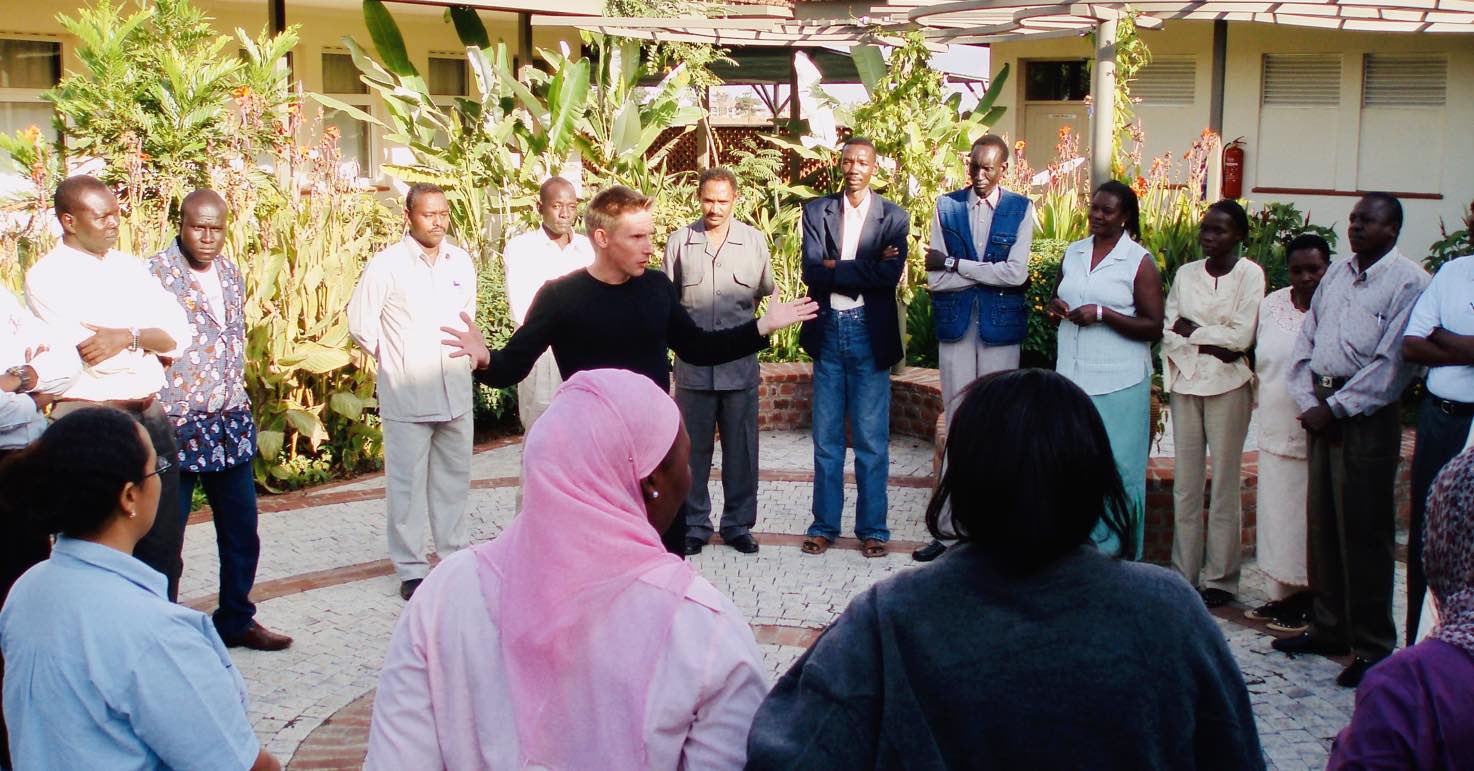
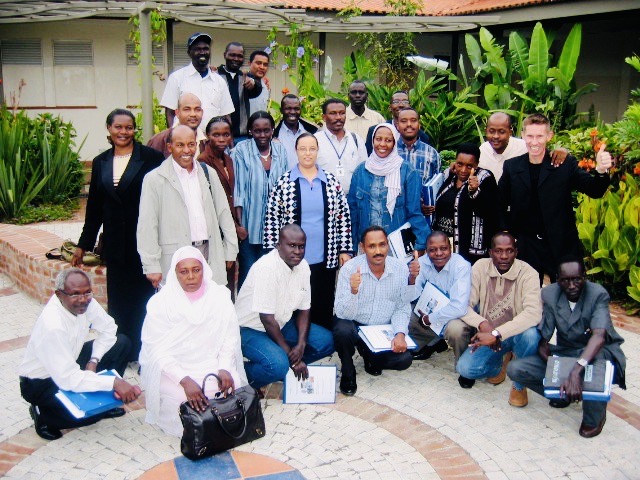
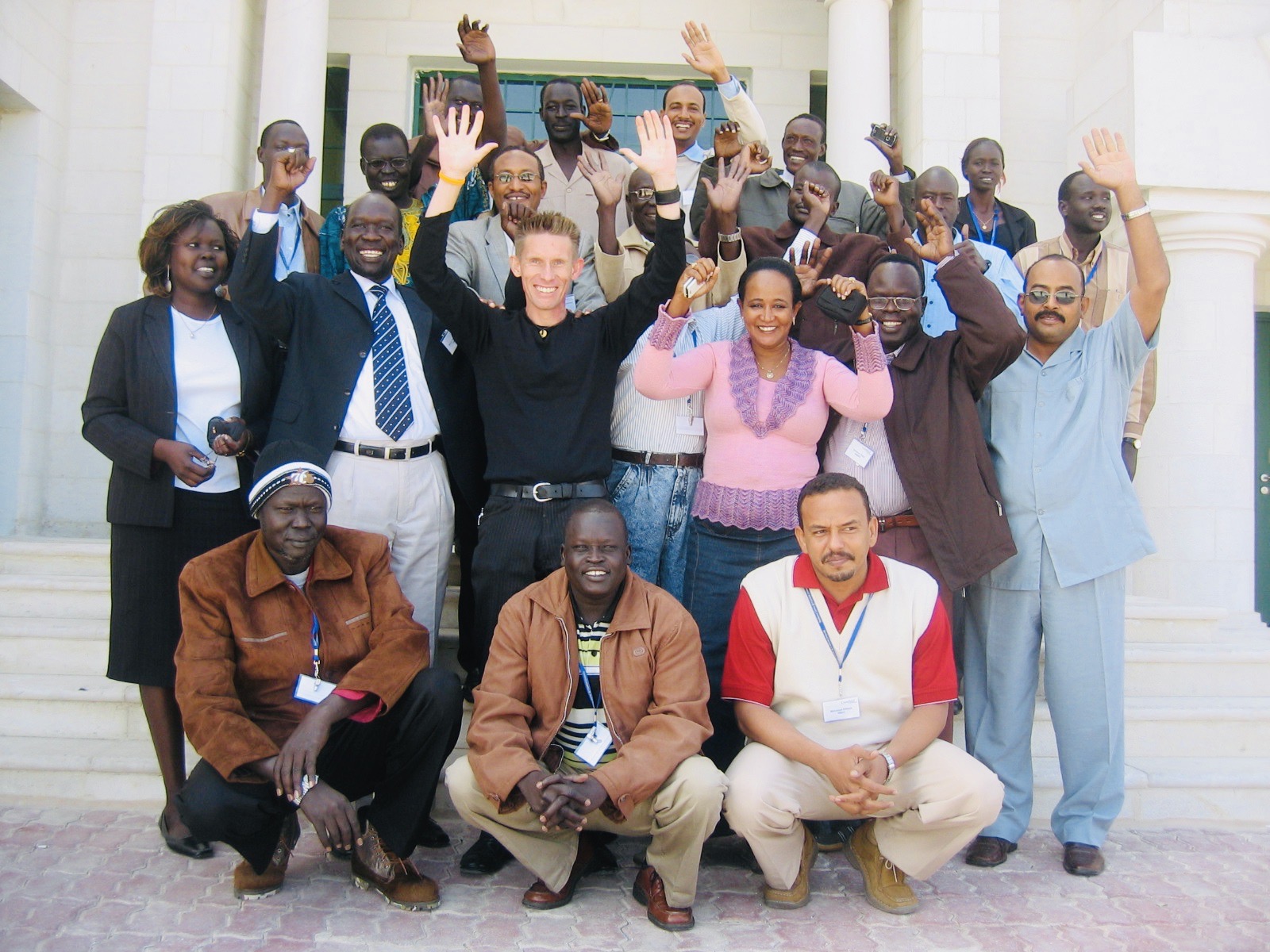
It began in Bangkok in late 2005, when Dr. D was invited through Mahidol University's College of Management to run a session for 20 mine action managers from 15 countries, from Bosnia and Tajikistan to Colombia, Somalia, and Iraq. Cranfield University then engaged Thinkergy directly to bring the same energy, creativity, and management thinking tools to its next two courses. In July and August 2006, 24 managers from across Africa met in Nairobi, Kenya. In October and November, 25 managers from the Middle East and Africa met in Amman, Jordan. Within each two-week course, Dr. D ran about four days of sessions. Many participants had grown up with disrupted schooling, some in war-torn environments, and few had ever been exposed to creative thinking techniques. So instead of teaching the full X-IDEA method, we tailored a simple, practical toolkit that combined analytical thinking, whole-mind thinking, and creativity techniques. In other words: less theory, and more tools that hold up in the field.
For analysis, the managers learned Pareto Thinking to find the few causes behind most problems, Fishbone Diagrams to trace root causes, Measles Charts to make patterns visible, and Stakeholder Analysis. They also practiced shifting perspective from the small picture to the big picture to the grand picture. One fishbone exercise tackled a problem with life-or-death consequences: Why do the warning signs that mark mine-contaminated areas disappear?
For ideation, the managers took on a challenge many of them knew too well: Suppose major donors had withdrawn their funds. How do you motivate, empower, and engage your mine action workers in times of distress and vanishing support? They started with Brainstorming, the technique they already knew. Then we switched to Pool Brainwriting. Everyone wrote ideas silently, swapped sheets, and piggybacked on what others had written before them, while still enjoying the same group experience. The surprise in the room was palpable: in the same amount of time, the groups produced four times more ideas than in brainstorming. Finally, a simple Balance Sheet of pros and cons helped them weigh options with confidence.
Ultimately, in mine action, better thinking is not a nice-to-have. It keeps people safe. That is why Dr. D brought every ounce of his energy and empathy into the room, for managers whose decisions protect villagers from losing limbs or lives.
Do your field managers make high-stakes decisions every day, with little time and few resources? Contact us to find out how practical thinking tools from X-IDEA may help them analyze problems faster, generate better options, and decide with confidence, wherever they work.
Client
Method
Share
“This is my third project working with Detlef. I engage Detlef because of the level of energy and enthusiasm that he brings to my courses. I also appreciate his flexibility in meeting with us in some difficult countries and conditions to deliver the training. The courses we run target a broad range of participants from developing nations. The courses bring participants together from diverse cultures and ethnic backgrounds, and I use Detlef to assist with developing strong group dynamics and to really push individuals to think outside of the box. Most of our participants have come from disruptive educations and from war-torn environments and have never been exposed to creative thought and innovation. Detlef guides them through this and provides an excellent base for the remainder of the course, which develops management skills and techniques. I look forward to working with Detlef again on my next project.”
