Bangkok University
Industry
Location
TIPS Success Story: Team Composition & Talent Awareness in Graduate Education
Information
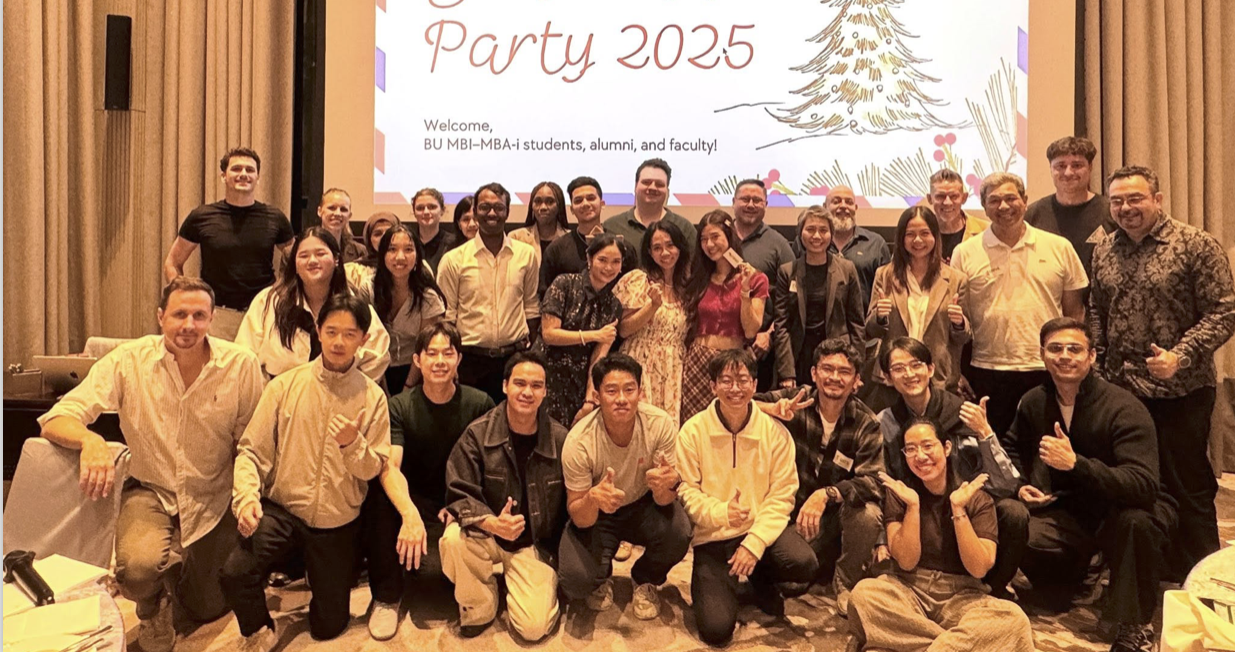
Imagine running a graduate program in which almost every course revolves around teamwork on real-life cases. How do you form teams that truly work? Leave it to the students, and friends team up with friends, and like-minded people with like-minded people. Assign them at random, and you might end up with five big-picture visionaries and nobody to check the details. That was the question facing the Institute of Knowledge and Innovation Southeast Asia (IKI-SEA) at Bangkok University, home of the MBA in Innovation Management (MBA-i) and the PhD in Knowledge Management and Innovation Management (PhD-KIM).
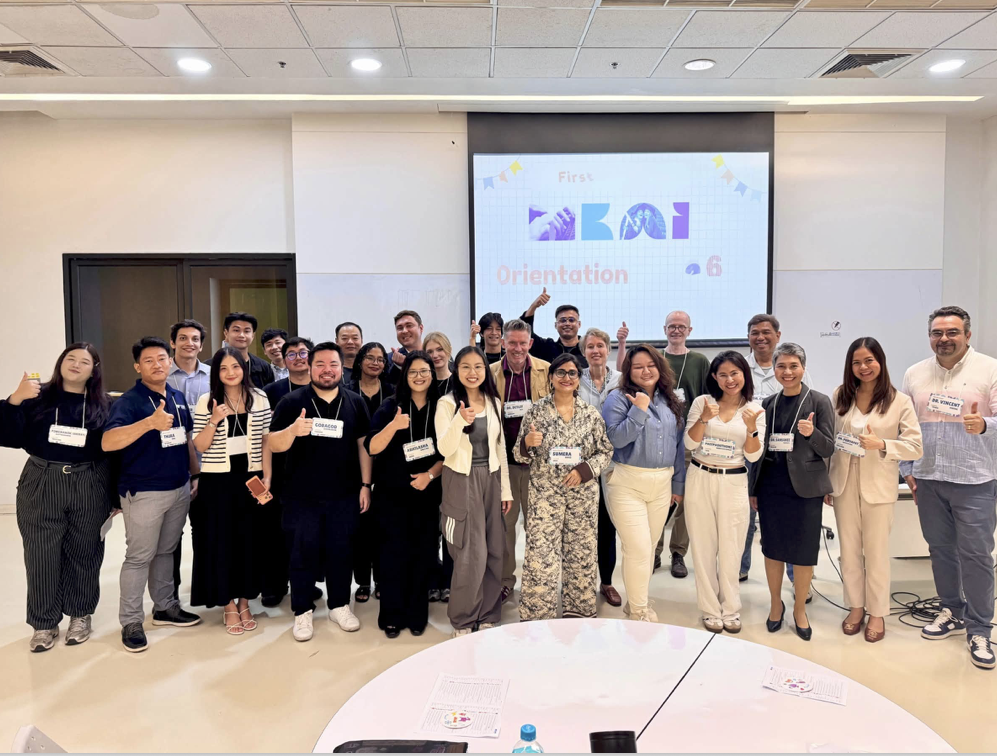
Since 2016, IKI-SEA has answered it with TIPS. Every year, all new students in both programs are TIPS-profiled: between 10 and 20 in the MBA-i, and between 3 and 8 in the PhD-KIM. Over the decade, more than a dozen faculty members and ten support staff have been profiled as well. Thinkergy's founder, Dr. D, who also teaches and advises at IKI-SEA, helps the institute put the profiles to work.
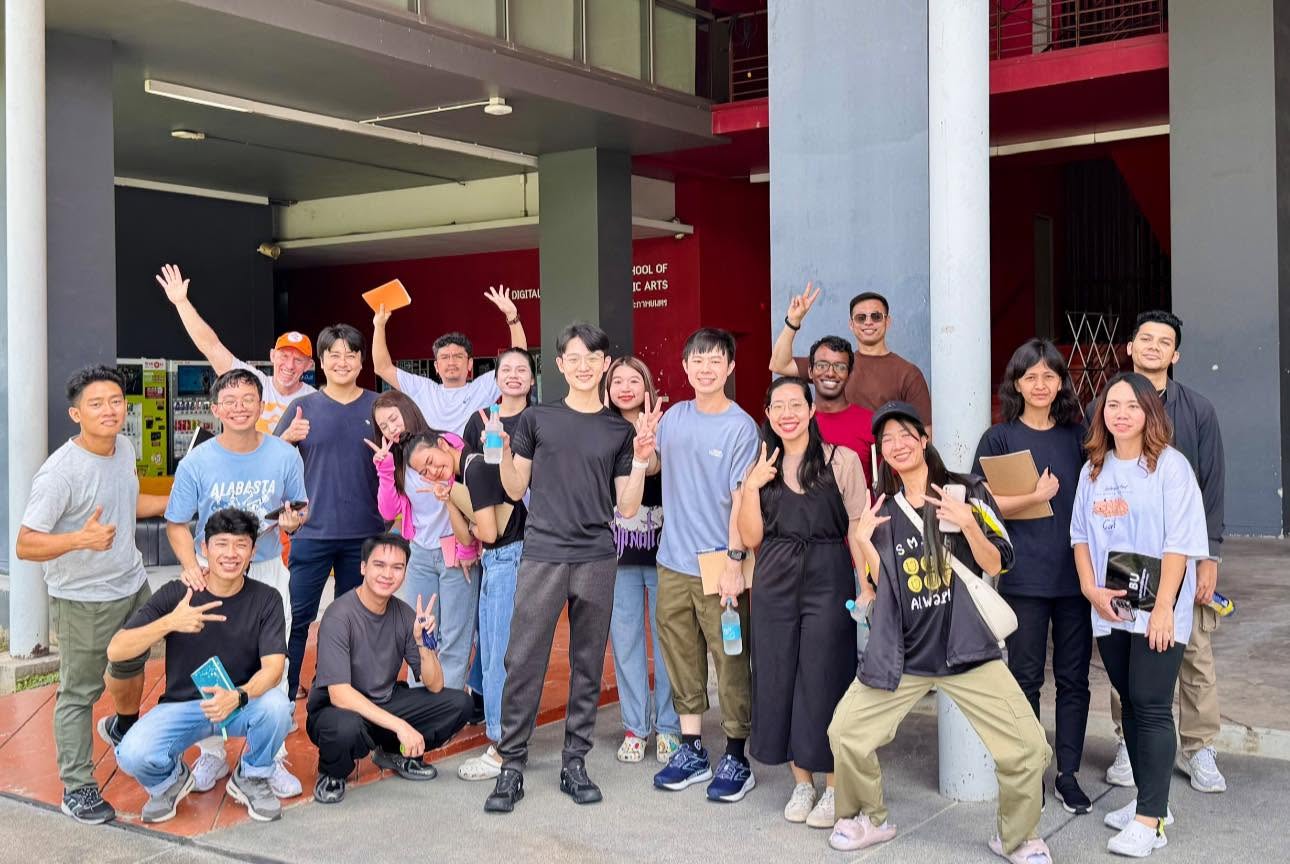
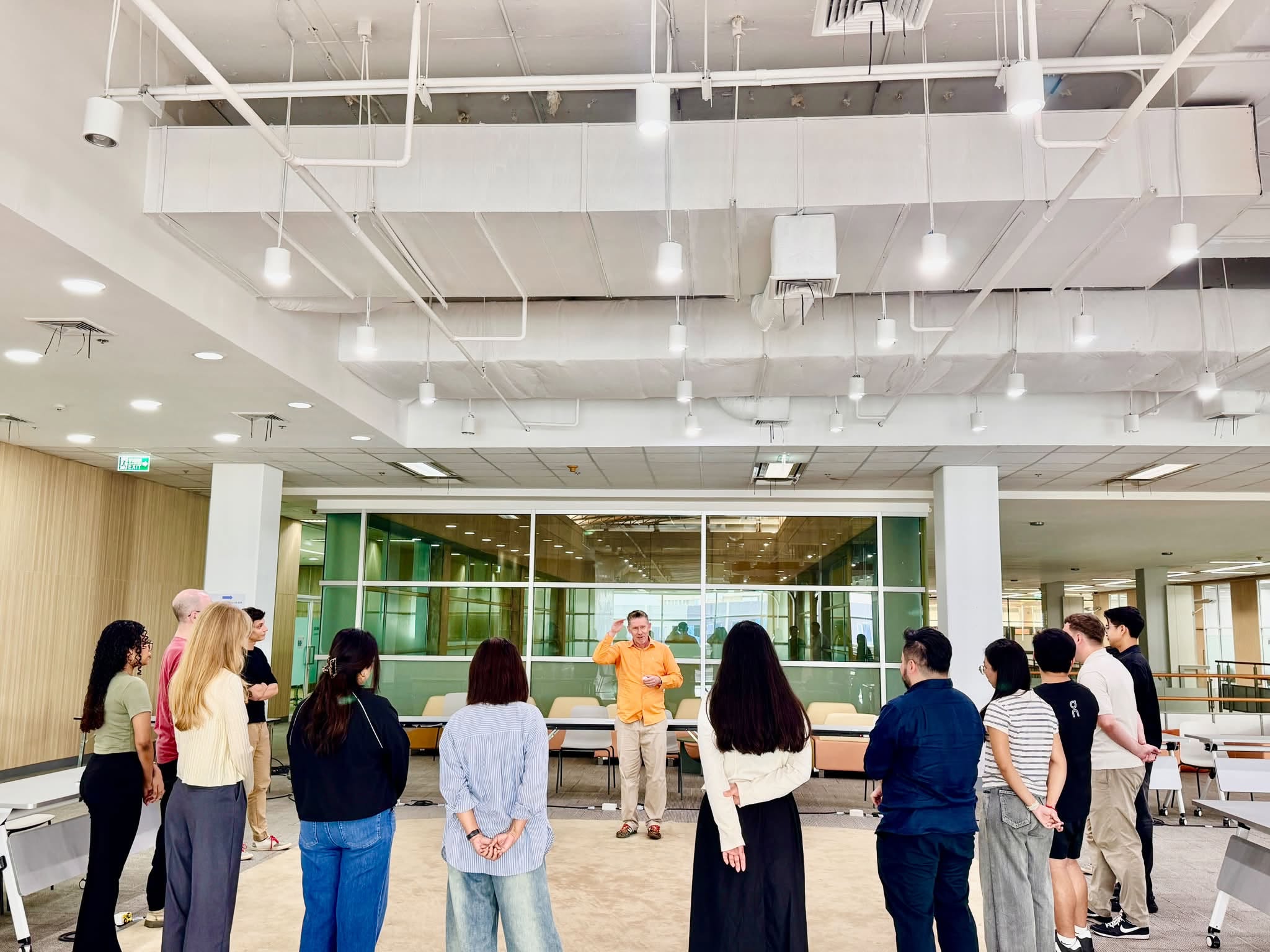
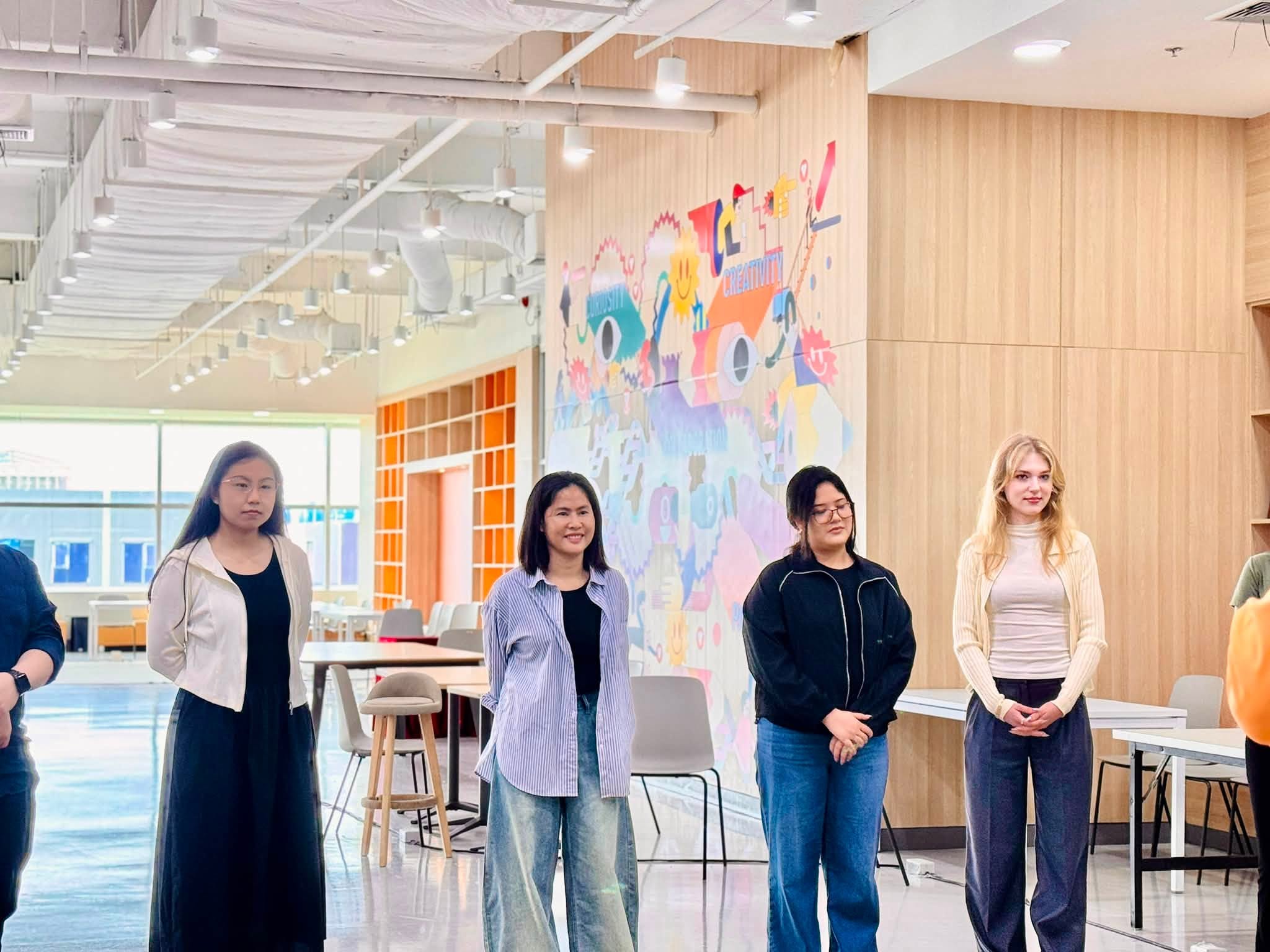
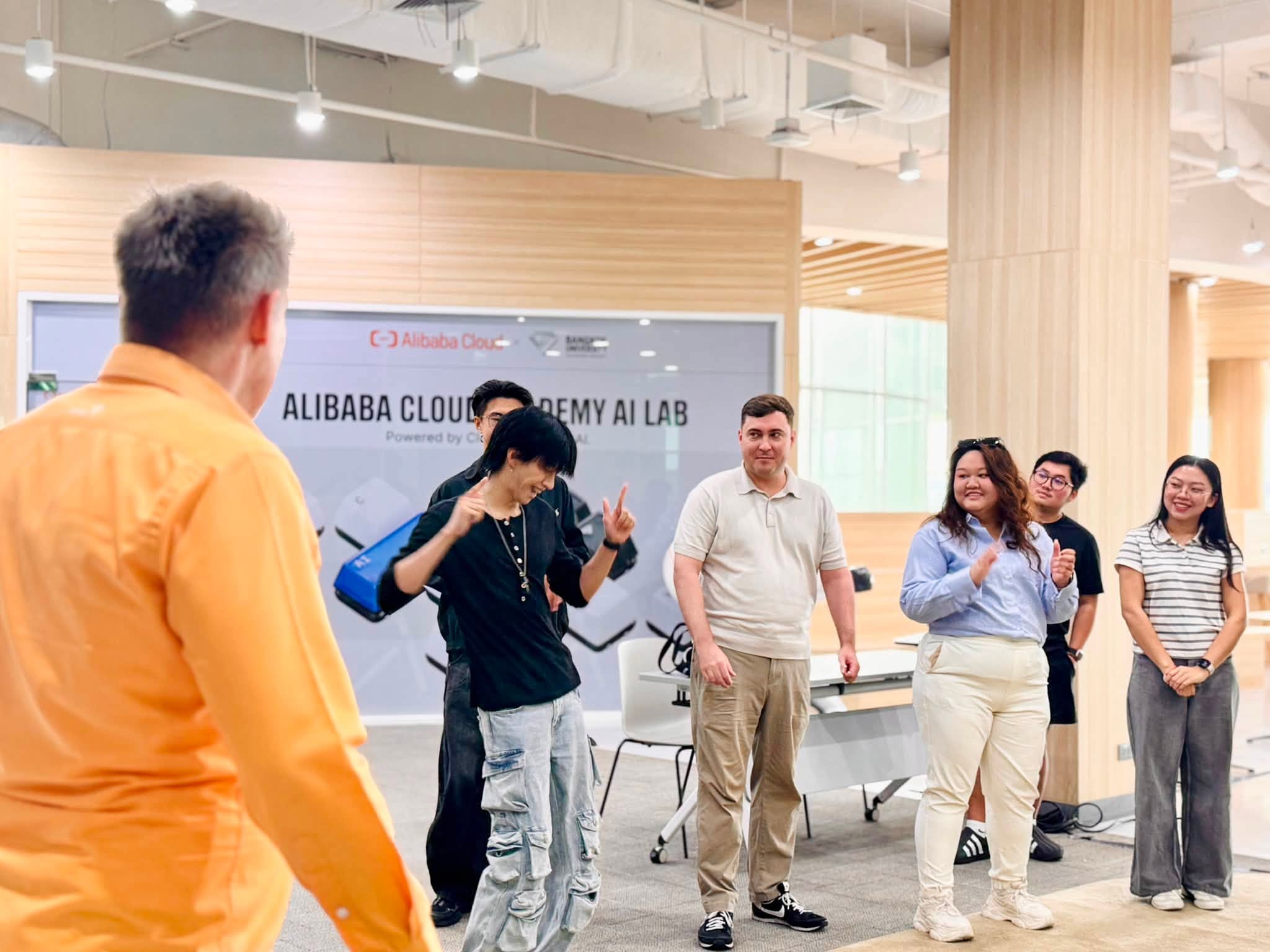
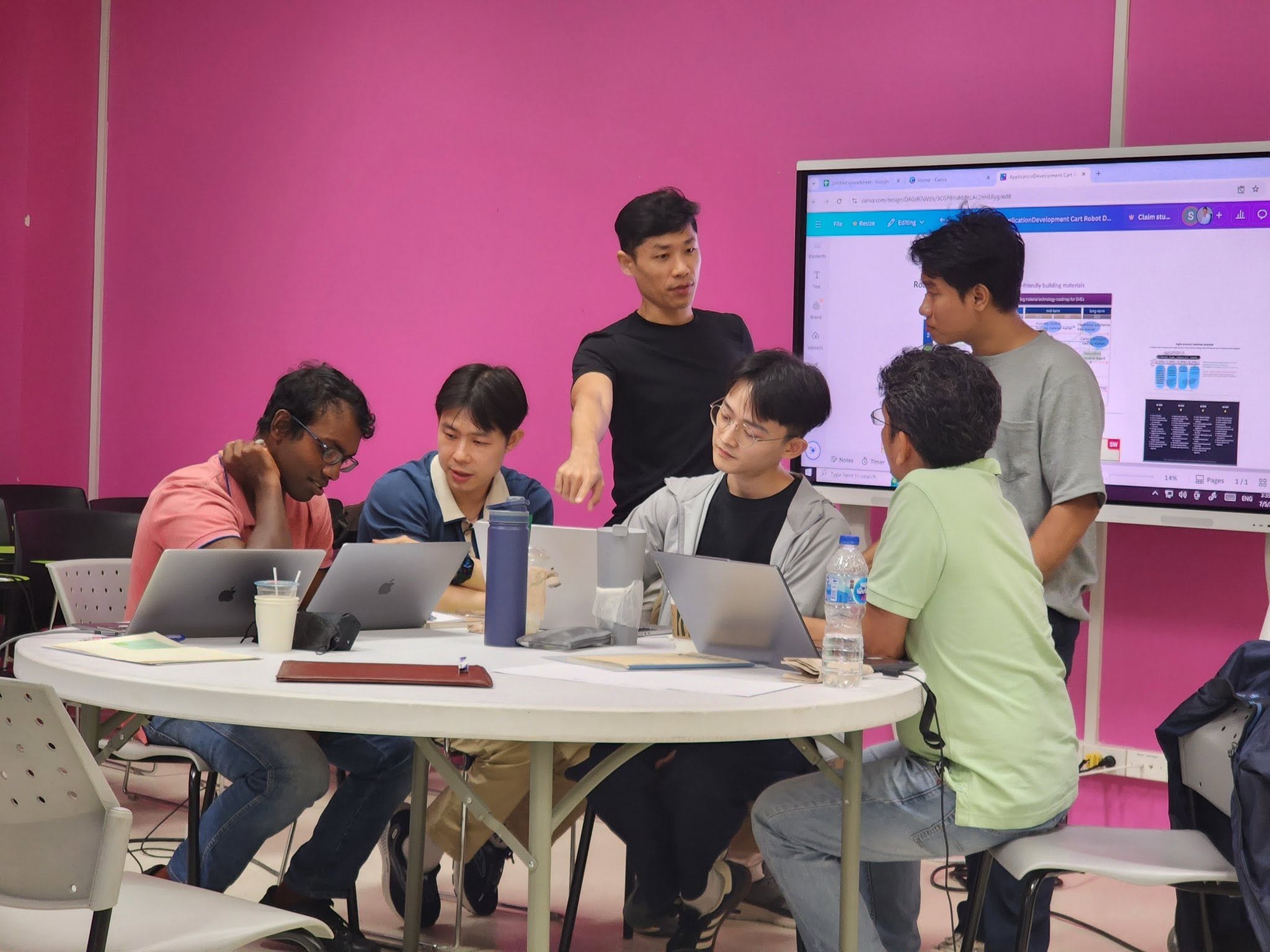
In the MBA-i, TIPS shapes the teams. Because of its focus on innovation, the program naturally attracts many Ideas-oriented profiles, yet nearly every cohort still covers most of the 11 TIPS innovator profiles. Using the TIPS Profiling Map, Dr. Dcomposes different combinations of project teams that balance the energies of all four TIPS bases: Theories, Ideas, People and Systems. Then something surprising happens as the teams move through the stages of X-IDEA (or another creative process method taught in other courses of the program). Just recently, in the course Creativity and Ideation Techniques, one team stopped mid-Xploration to comment on it. The Systematizers and Technocrats had come alive running Fact Checksand Assumption Checks, while the team's Partner had put their empathy to work on customer portraits, personas and empathy maps. Different people, different tools, different moments to shine. In other words, every student shines, just not at the same time. For students, that is a revelation: everyone adds value, and now they know where they add the most. Many graduates later use their TIPS profile to position themselves in roles and ecosystems that fit their natural styles.
In the PhD-KIM, TIPS serves a more personal purpose. A doctorate is a journey of several years, and the bond between student and advisor can make or break it. So IKI-SEA uses TIPS to match each new doctoral student with an advisor of a compatible profile. The profiles also hint at whether a student leans toward qualitative or quantitative research, which helps faculty guide the choice of methodology, and even the search for a dissertation topic, since certain profiles gravitate toward certain fields. The institute also learned what happens when the guidance is set aside. In one early case, an Ideator advisor and a Systematizer student with opposite energies and different research interests worked hard together for a year and a half, before both agreed the fit wasn't right and the student moved to another advisor. It was a costly reminder of why the profiles are worth following.
What began as an experiment has become a cornerstone that sets IKI-SEA's programs apart: a more individual, tailored education for every student. IKI-SEA faculty and Dr. D have even published research on TIPS-based team composition in the program (Parisot, Reis, Hunt & Mohammad, 2018).
Do you run a graduate program, a corporate academy or a leadership program built on teamwork? Contact us to find out how TIPS may help you compose cognitively diverse teams, match mentors with mentees, and give every learner a clear picture of their own talent.
Client
Method
Share
”As a Program Director, I must ensure that our Master in Business Innovation (MBI) corporate participants will acquire actual knowledge, empower their soft skills, and improve their leadership capabilities. To achieve this goal, the complementation of skills and competences in each work team is a key challenge. The application of the TIPS method helped us achieve that goal in a powerful way, but it also increased the satisfaction level and the perceived quality of the results.”